A single phone line
One line for paper wasps, hornets and yellow jackets.
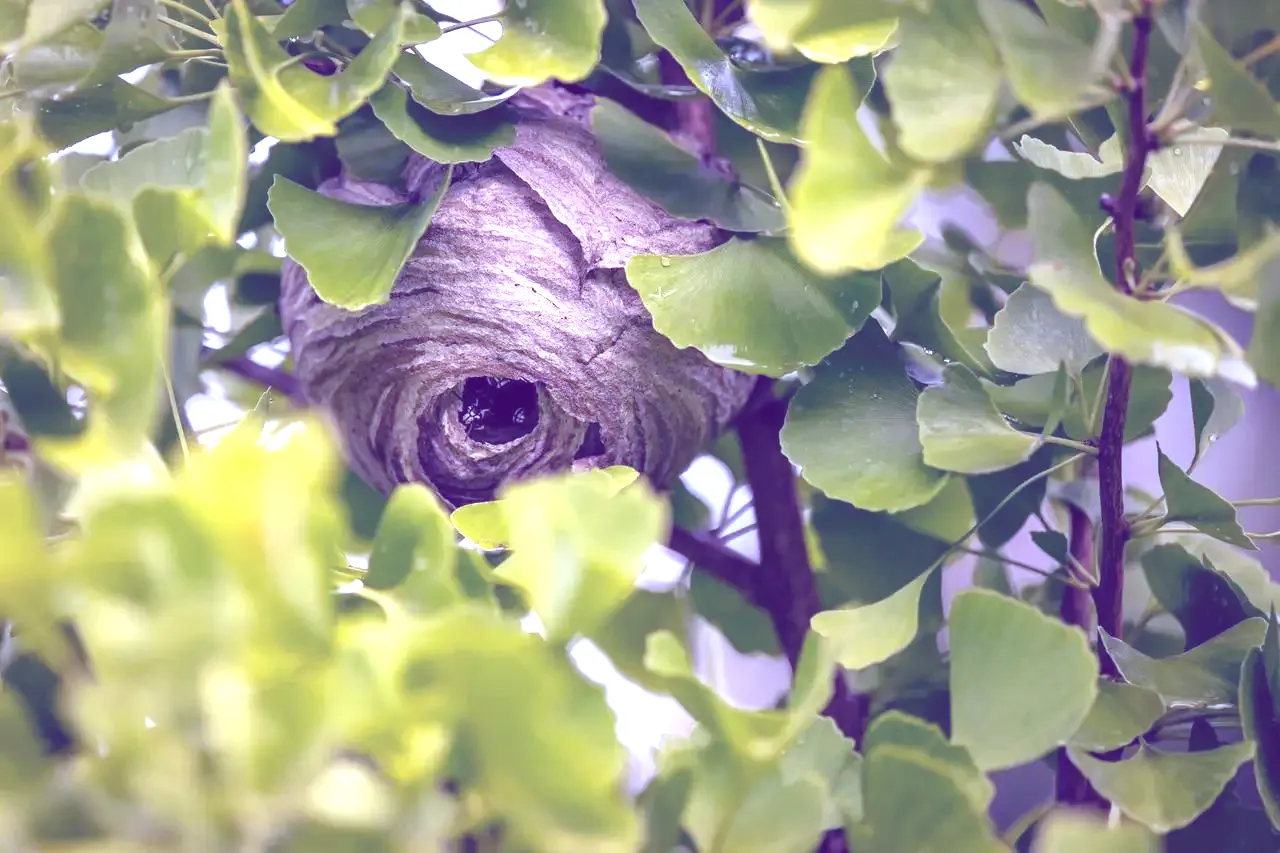
Found a wasp nest at a Stadium Estates home in Pasadena, TX (77502)? A single call puts you through to an independent provider who handles nests.
One line for paper wasps, hornets and yellow jackets.
Ask the provider to name the insect before treatment.
Your call goes to a provider serving your ZIP code.
Find the company on TDA’s current-license list.
Paper wasps building over a porch light, or yellowjackets streaming out of a crack beside the driveway, are good reasons to pick up the phone in Stadium Estates before someone is stung. Stadium Estates is a subdivision on the Harris County Appraisal District's parcel rolls in ZIP 77502, and the 2020 Census ZIP check places all of 77502 inside Pasadena city limits. WaspNestRemovalPasadenaTX.com is a referral line, not a pest control company: your call is passed to an independent provider working in Pasadena, TX, and nearby 77502 areas such as Clearbrook, Parkview Manor and Rayburn Heights use the same number. Texas has three common nest builders to tell apart. Paper wasps hang open combs, yellowjackets mostly nest in the ground, and the baldfaced hornet wraps its colony in a closed paper shell. The provider normally works out which one you have from a safe distance before explaining the treatment and when the nest comes down. Ask whether a return check is part of the job.
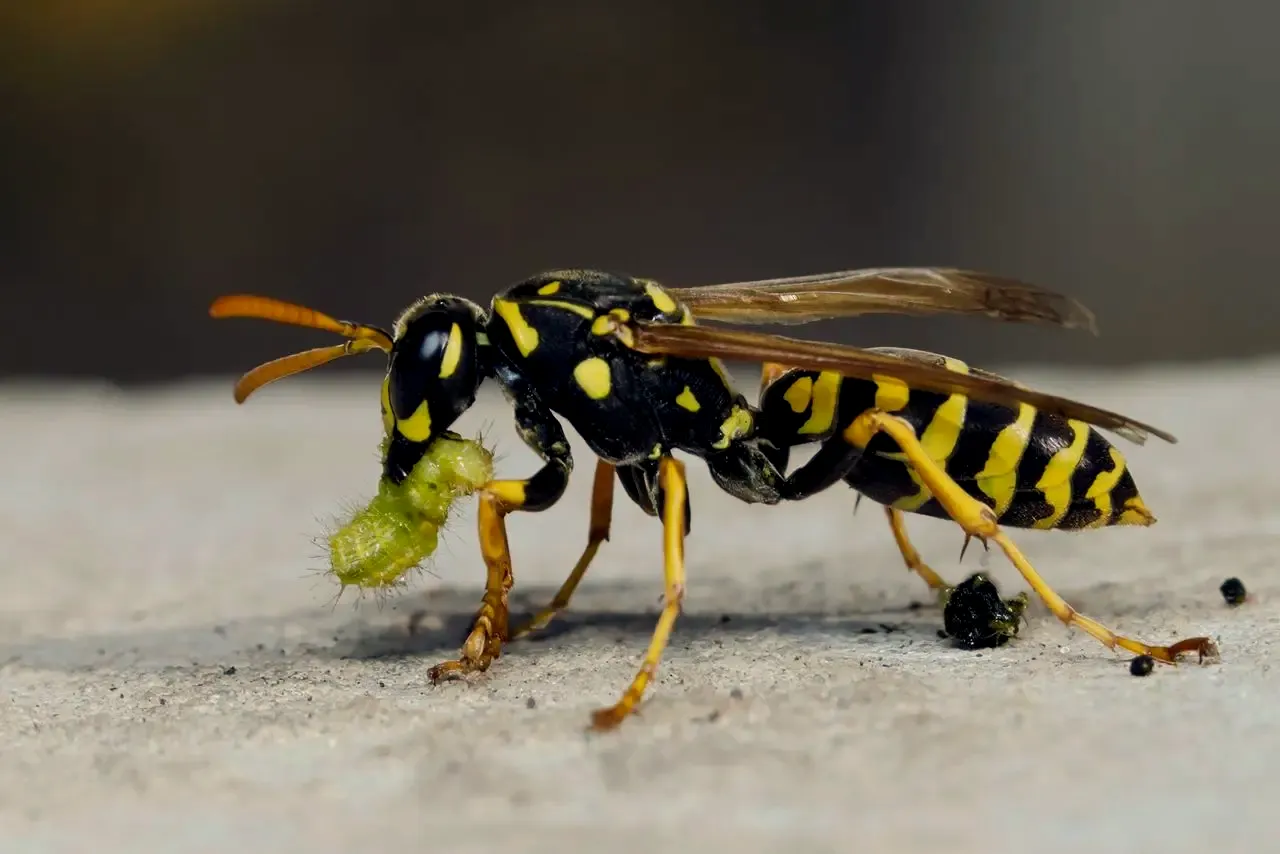
Wasp activity in Stadium Estates follows the insects' year. Paper wasp queens start fresh combs in spring, and AgriLife puts the yellowjacket peak at August or September. Houston Hobby Airport averages just 4.2 days a year at or below 32°F (1991–2020 normal), and AgriLife notes a nest may survive a mild winter. Local providers commonly take on nest inspections, hornet nests, yellowjacket colonies, calls from apartments and HOAs, and follow-up visits. A single call puts you in touch with an independent provider who can say which service suits your nest.
The first job is naming the insect: paper wasp, yellowjacket or baldfaced hornet (a honey bee goes to a beekeeper instead). Then the provider locates the nest and judges its size, whether it sits under an eave, in a shed, in a hedge or in the soil. Stay back while you wait; a photo from a distance is enough.
View service →02Texas has just one "hornet", the baldfaced hornet, and the Texas Apiary Inspection Service classes it as a yellowjacket. Its colony lives inside a big, closed gray paper nest hung in a tree, a shrub or under an eave. Because a disturbed colony can sting over and over, AgriLife advises leaving established hornet colonies to professionals. Ask how the provider will reach the nest and when it can come down.
View service →03Yellowjackets usually dig their nests into soil: lawns, beds and the sides of banks. A few build in the open or move into the hollow of a wall. The provider's treatment goes in at the entrance, and they decide when the dead nest can be dug out or pulled. AgriLife's guidance is not to seal a wall-void opening until the colony has been eliminated, so resist plugging it.
View service →04If you rent in Stadium Estates or live in a shared building nearby, a nest on a balcony, stairwell or common eave is rarely the tenant's job alone. The owner, manager or HOA normally arranges the work, and the tenant's part is to report it. Providers may look over nearby eaves for further nests. Ask who has to be there on the day.
View service →05On a return trip the provider checks two things: that the treated colony has died, and that no new comb has started nearby. AgriLife's fact sheet says paper wasp queens often found colonies in the same general area as the last season's nest, so the old spot and the eaves, sheds and garages around it get checked again. Ask how many return trips the plan includes.
View service →Calling from Stadium Estates connects you with an independent provider that serves Pasadena. Before dialing, step back and note four things: the nest's location, its rough size, how high it is and whether anyone at home has had a bad reaction to a sting. Mention whether the wasps use a hole in the soil or a crack in siding or trim. Method, timing and cost all belong to the provider, and you can decline. On site, the provider normally confirms the insect and traces every entrance first. Early morning and evening are popular times, since most of the colony is inside then, though the provider makes that call. Exposed combs are usually taken down after activity stops, if they can be reached. Nests in the soil or inside a wall are often treated through the opening and checked again, and the gap stays open until the colony has died. If the nest is on a shared building, find out how the manager and the neighbors will hear about the visit.
When many homes share one building, a comb over one doorway is everybody's problem on that stairway. In Pasadena, 30.5 percent of housing units are in buildings with five or more units, and 35.6 percent are in buildings with at least two (ACS 2024), so many nests turn up on property no single tenant controls. Managers or HOAs usually arrange access to roof edges and walkways. Report the nest in writing with its exact spot.
More than half of Pasadena's housing (56.7 percent) was built before 1980, and the median home dates from 1977. Whatever the age of the house, the Texas Apiary Inspection Service says paper wasps nest under eaves and also in garages, sheds and shrubbery, with combs reaching 6 to 8 inches across. In Stadium Estates and the rest of 77502, a slow walk around the roofline, carport and back fence before children go out to play is a few minutes well spent. If wasps keep returning to one gap, note it from a distance and call.
Houston Hobby Airport, the National Weather Service climate site closest to Pasadena, averages 4.2 days a year at or below 32°F (1991–2020 normal). Most yellowjacket nests die after the first hard frost, but AgriLife says that in mild winters a nest may not be abandoned and can grow larger. Do not count on cold weather to finish one off.
In Texas, pest control licensing sits with the Department of Agriculture's Structural Pest Control Service, covering businesses, certified applicators and technicians. Find the company on TDA's current-license list before anyone touches the nest.
Before the visit, ask what will go on or near doorways, play areas, pools and gardens, and how long people and pets should keep clear. Mention any sting allergy at home too.
Nests in Stadium Estates are the same kinds found across Pasadena: combs under eaves, holes in the lawn, colonies inside walls and nests on shared balconies. Each card below shows how the problem tends to appear and what gets checked first.
Paper wasps build open, umbrella-shaped combs, and eaves are the usual site named by the Texas Apiary Inspection Service; door frames, porch ceilings, gutters and railings are common too. A comb next to the entry puts whoever opens the door at risk of a sting. Colonies begin in spring and get bigger as the weather warms. A provider typically treats the comb, removes it once it is quiet and looks along the rest of the roofline. Swatting it with a broom or hosing it down only sends the colony flying.
Yellowjackets mostly nest underground, in lawns, flower beds and banks, and the entrance is a small hole that is easy to overlook. Mowers, string trimmers and bare feet find most of them. Yellowjackets are hairless and carry no pollen, a quick way to tell them from honey bees. Mark the spot from a distance, keep pets and children indoors and leave it to a provider; AgriLife says established colonies belong with professionals.
Shared stairwells, balconies and walkways put one nest above several front doors, and neighbors often assume somebody else has made the call. Common areas are usually arranged by the owner, manager or HOA, because the provider will need to reach roof edges and shared space. Put the report in writing, name the building and describe the exact spot, and keep children off that balcony in the meantime.
Sometimes a yellowjacket colony moves into a wall void or attic and uses a gap in siding, trim or a vent as its doorway. Filling that gap looks like the obvious fix, yet AgriLife advises that a wall-void entrance generally should not be sealed until the colony has been eliminated; wasps shut inside may find another way out, sometimes into the living space. Expect the provider to treat through the opening and to decide when it can be closed. Ask what proof of a dead colony they look for first.
This page lists no figures, and neither does the referral line. For wasp nest removal in Stadium Estates, the cost comes from the provider once the nest has been seen. Three things weigh most: the insect, how many wasps the colony holds and where the nest sits. A small comb by the porch is a different task from a hornet nest near a treetop or yellowjackets living inside a wall. Height and access matter too, because ladders and lifts mean extra time and risk. Further work, such as a recheck, a wall gap that must stay open for a while or a survey of a whole building, adds to the job. On the phone, ask which factors apply to your nest, whether a second visit is included and what the written plan covers, before agreeing to anything.
One young paper wasp comb is a smaller job than a full-grown yellowjacket or hornet colony. The provider weighs the nest's size, the number of wasps in the air and whether a second nest is close by.
Reaching a comb from the ground is easier than working under a second-story eave, up a tree or near the peak of the roof. Ladders, lifts and protective suits take time to set up. The provider judges access on site and explains how it changes the plan and cost.
A colony in a wall void or the soil takes more work than an open comb. Because AgriLife says not to seal a wall entrance until the colony has been eliminated, a second visit may be part of the job. Ask why the provider's method fits your nest.
County parcel data from the Harris County Appraisal District lists Stadium Estates as a subdivision in ZIP 77502, and by the 2020 Census check all of 77502 falls within Pasadena city limits. The cards on this page gather verified nearby neighborhoods and some housing figures for the city as a whole. The site itself sends no crews. It connects your call to an independent company that already works in Pasadena, and that company decides the visit, the approach and the cost.
Stadium Estates, Clearbrook, Parkview Manor and Rayburn Heights all carry ZIP 77502, which lies wholly inside Pasadena by the 2020 Census check. Open the call with your street address and the subdivision name so it reaches a provider working your part of the city.
Stadium Estates is listed in county appraisal parcel data as a subdivision in ZIP 77502. Paper wasps settle under eaves here as anywhere in Pasadena, and calls from its streets reach an independent provider.
The median Pasadena home was built in 1977, and 23.4 percent of units predate 1960. Older soffits, attic vents and siding seams are worth a look when wasps keep circling.
Renters occupy 45.5 percent of Pasadena's homes. A tenant who spots a nest should let the landlord or manager know in writing, attach a picture taken from well back, and keep children and pets out of that part of the yard.
Berkshire Village is a Pasadena subdivision in ZIP 77503 on the county's parcel rolls. Calls from its homes go to an independent provider serving the city. Mention the street and the nest's height when you call.
Golden Acres, also in 77503, uses the same line. Paper wasps can start combs on any home's eaves, door frames and fence rails, so walk the outside of the house early in the warm season.
Burke Meadows lies in the Pasadena part of 77504, and its calls use this same line. In August and September, when AgriLife says yellowjacket colonies peak, check the grass for a busy hole before mowing.
TDA publishes downloadable lists of the businesses, certified applicators and technicians holding current structural pest control licenses. Check the provider against them before the work begins, and note the number.
Clearbrook, Parkview Manor and Rayburn Heights share ZIP 77502 with Stadium Estates. Wherever you are among them, the steps are the same: note where the wasps fly, keep well back and call the referral line.
Every address in ZIP 77502, Stadium Estates included, can use this line, and the whole ZIP sits inside Pasadena. Owners, tenants, landlords, managers and HOAs are all welcome to call. An independent provider serving Pasadena picks up; start with your street address.
Stadium Estates is one of the 77502 subdivisions in Harris County appraisal records, and the whole ZIP lies within Pasadena. Whether you own or rent, start the same way when wasps show up: find where they are flying from a safe spot, bring children and pets inside and leave the opening alone, with no spray and no plug. Work out if the nest is under an eave, in the soil or apparently inside a wall. The independent provider who takes the call chooses the visit time.
Clearbrook appears in the same county appraisal grouping as Stadium Estates, in ZIP 77502. Where homes sit close together, a comb under one eave can be near a neighbor's door as well. Agree early on who will call and how the roofline will be reached, especially if the house is rented. If you rent, send the landlord a written note and a photo taken from well back.
Parkview Manor shows up in Harris County appraisal data in the same neighborhood group as Rayburn Heights, both in ZIP 77502. Its yards have the usual nest sites: eaves, garage corners, sheds, hedges and open lawn, where yellowjackets dig in. Expect the provider to identify the insect before anything else, treat the colony, and take the nest down after it goes quiet if it can be reached. Tell them about anyone at home who reacts badly to stings.
Rayburn Heights, grouped with Parkview Manor in county appraisal data, is another 77502 neighborhood. Families with young children should know that AgriLife puts the yellowjacket peak at August or September, late in the summer, when yards see heavy use. Check the underside of slides, swings and fort roofs for paper wasp combs as well. The line is open 6 a.m. to midnight Central Time (7 a.m. to 1 a.m. during daylight saving time).
Each case below is a composite drawn from the sort of calls the line receives, written to show what a provider tends to look at. None describes a real job, and none is a result this site can claim; what happens depends on the provider and the nest.
Typical situation: in late spring, a homeowner in Stadium Estates notices paper wasps crowding a comb under the carport roof, right where the car door opens. Someone hosed it last weekend, and the wasps simply went back to it. In a case like this, the provider would identify the species, treat the comb, pull it down after it goes quiet and look along the roofline, fence and any shed for more. Ask if a return check is part of the job and what to look for next spring, since paper wasps often build again in the same general area.
Typical situation: the owner of a rented house in Parkview Manor gets a text from the tenant about wasps disappearing into a crack between the brick and the window trim, with a low hum behind the drywall. The tenant wants to fill the crack with caulk. AgriLife says a wall-void entrance generally should not be sealed until the colony has been eliminated, so a provider usually treats through the opening and checks again before it is closed. The owner should arrange access and keep the written report.
Typical situation: a grandparent minding the children in Rayburn Heights spots yellowjackets going in and out of a hole by the sandbox in late August. AgriLife says colonies are at their largest about now, so the sandbox is closed off. A provider would find the entrance, treat the colony through it and say how long the sandbox stays off-limits. If a sting ever brings trouble breathing or swelling of the face or throat, call 911 at once.
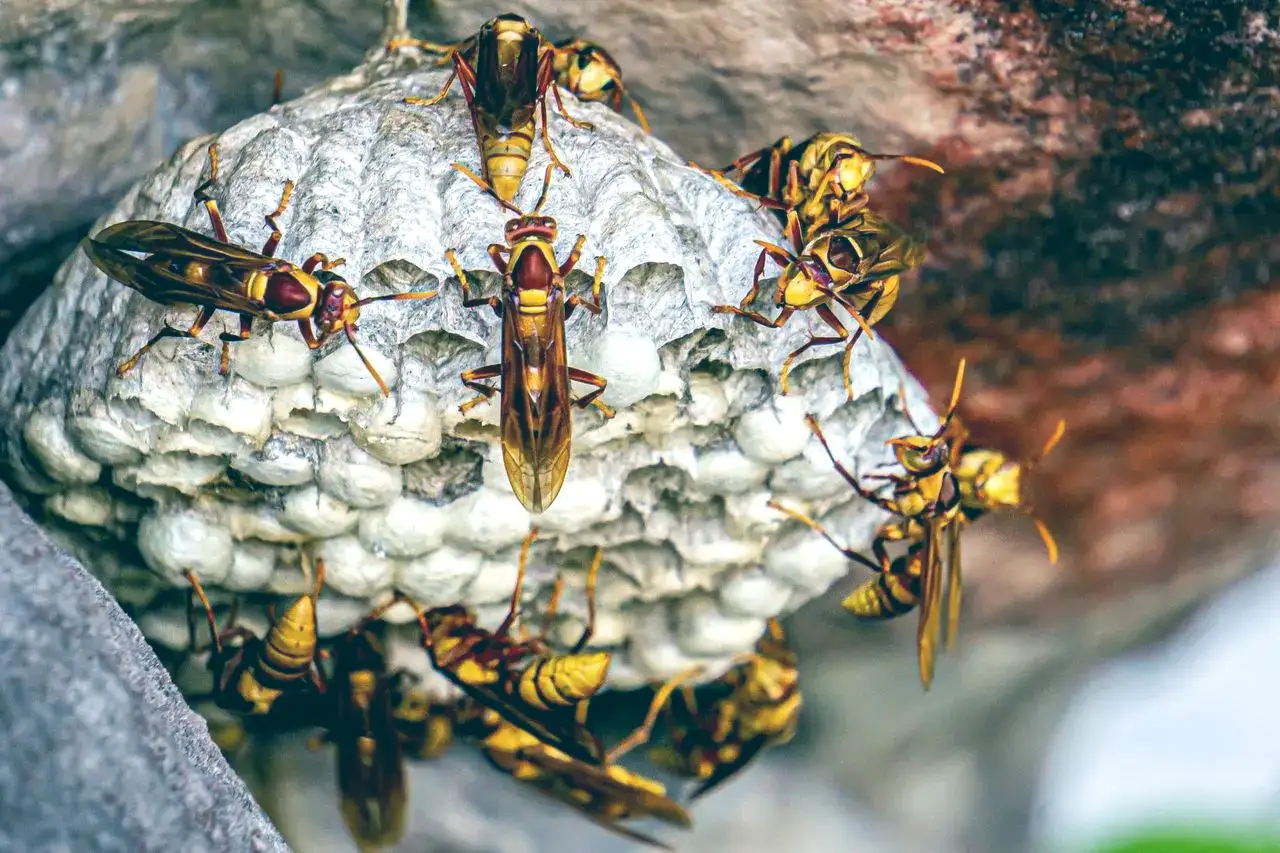
A homeowner in Stadium Estates sees a small comb forming under the front eave, just above the door, and wonders about knocking it down with a rake. Leaving it alone and taking a photo from several steps back is a sensible start. An independent provider can describe what a visit involves; nothing is promised until the nest has been seen.
A landlord with a house in Parkview Manor hears from the tenant about wasps slipping into a crack by a window. A provider usually confirms the insect, treats the colony and says when the crack can be closed. The owner should set a visit time with the tenant and file a note of what was done.
A parent of two preschoolers in Rayburn Heights notices paper wasps starting a comb under the roof of the backyard playhouse. A provider usually explains how the nest will be treated, how long the children should stay away and whether the swing set and fence need checking too. Mention any sting allergy when you call.
Around Pasadena the wasp year is long, stretched by mild Gulf Coast winters. Spring brings new paper wasp nests, late summer brings yellowjacket colonies at their biggest, and hard frosts are uncommon. Season by season, this is what to expect.
Paper wasp queens that sheltered over winter begin new colonies in spring, and Texas A&M AgriLife notes they often pick the same general spot as the year before. A new comb starts small, so spring is the easiest time to catch one before it grows.
Summer is when nests grow. Paper wasp combs can reach 6 to 8 inches across, and yellowjacket colonies build toward the peak AgriLife puts in August or September. Longer days outdoors mean more chances to stumble on one.
By August or September, AgriLife says, yellowjacket colonies are at their biggest, and October and November bring new queens and males. Stirring up a ground nest in early fall risks many stings.
Houston Hobby Airport averages just 4.2 days a year at or below 32°F (1991–2020 normal), and its normal January low is 45.1°F (1981–2010). Most yellowjacket nests die after a hard frost, but in a mild winter a nest may survive.
Calls are also taken from outside Stadium Estates: ZIP 77505, including Baywood Oaks, Village Grove and Fairmont Estates; ZIP 77503, including Bennett Estates and Tanglebriar; the Pasadena part of 77504; and the Pasadena part of 77506. Each call goes to an independent provider working in Pasadena. Have your ZIP and nearest neighborhood ready.
Before you book, a handful of plain questions shows who holds the license, how your nest will be handled and what proof you will get that the colony is dead. A provider should answer each one without hesitation.
Wasp work can mean pesticides, ladders and standing close to an angry colony. The Structural Pest Control Service at TDA licenses businesses, certified applicators and technicians. Check that the provider appears on the current-license list, and request proof of insurance before the job begins.
An open comb, a ground colony, a wall void and a big hornet nest each need a different approach. Ask how the provider will treat yours, at what time of day, and whether the empty nest will be taken down afterward.
Colonies in walls or soil can need a follow-up look, and paper wasps often rebuild close to the old site the following spring. Find out whether a return trip comes with the job, when it is scheduled and what the provider does if wasps keep flying.
A quiet-looking nest can still hold live wasps. Ask how activity at the entrance will be checked, when the nest can come down and when a wall or ground opening is safe to close.
A past customer who had a similar problem, such as a colony in a wall or a hornet nest in a tree, can tell you plenty. Check independent reviews yourself too; this site does not recommend any provider.
Texas A&M AgriLife Extension
Look up the provider first
Get it in writing
See the source
Bee referrals
There is no single answer. Small paper wasp combs within arm's reach are often quick, whereas a colony in a wall void or a hornet nest near the treetop takes longer and can need a follow-up check. Providers often schedule wasp work for early morning or evening, when the colony is mostly home. Give a clear description of the nest and the provider can say roughly how long to expect.
From a safe spot, watch where wasps keep flying in and out: an eave corner, a crack in brick or siding, a shed roof or a small hole in the grass. Do not walk up to the nest to get a better look; a photo from far back is plenty for the provider. Keep out of the flight path, bring pets inside and then call.
No single month. Texas A&M AgriLife says yellowjacket colonies peak by August or September and most nests die after the first hard frost. Around Pasadena hard frosts are scarce: Houston Hobby Airport averages 4.2 days a year at or below 32°F (1991–2020 normal), and AgriLife notes that in mild winters a nest may not be abandoned. Paper wasp queens start new nests in spring.
Yes, while the work is going on. Stay inside with doors and windows closed, and keep pets in too, since wasps stirred up by treatment can fly some distance. Once the provider finishes, follow the keep-clear time they give before going near the treated spot. Mention anyone with a sting allergy ahead of time so the visit can be planned around them.
No figures are given on this site. After seeing the nest, the provider works out the cost from the insect, the colony's size, the nest's height or hiding place and any need for a return trip. Ask for each factor to be explained.
Question not covered here? Phone the referral line and a local provider can walk you through your options.
Ask the providerCalling the number above routes you through a call-tracking service to an independent provider serving Pasadena, and the call may be recorded. Calls are connected 6 a.m. to midnight Central Time (7 a.m. to 1 a.m. during daylight saving time). You and the provider settle the timing and the cost between you.