A single phone line
One line for paper wasps, hornets and yellow jackets.
Apartment wasp nest removal in Pasadena needs a plan for the whole building, because paper wasps and yellowjackets settle on balconies, in breezeways and under soffits shared by many households. Renters, owners, HOA boards and managers anywhere in Pasadena, TX can use this referral line to reach independent local providers who handle apartments, duplexes and larger complexes. Renters occupy 45.5 percent of Pasadena's homes.
One line for paper wasps, hornets and yellow jackets.
Ask the provider to name the insect before treatment.
Your call goes to a provider serving your ZIP code.
Find the company on TDA’s current-license list.
Most apartment jobs come in three steps: walking the building, treating the nests that turn up and checking back later. What the quote covers and what costs extra is the provider's call, so ask before agreeing. Here is how the pieces usually fit on a Pasadena building.
Besides the balcony or unit that was reported, providers often look at the overhangs on each side and above and below, along with breezeways, stairwells, soffits and nearby planting.
What turns up sets the method. Paper wasp comb under an overhang is treated and then removed. A yellowjacket colony in a wall is treated through its entrance, left open until the colony is eliminated.
Once a nest is inactive, taking down the parts within reach clears the spot and makes the next nest easier to see. Ask whether nests on balconies and high soffits come with the job or cost extra.
Residents who note where wasps fly and report new comb to the manager in writing help the provider catch a new nest early. Ask the provider which signs to watch for between visits and when any return check falls.
Ask for a written note per unit or building showing where each nest was, what was treated and when. Renters, owners and managers then share one record. The provider sets any return-visit terms, so have those on paper before work starts.
Say where the nest is and what it looks like, and a local provider calls you back.
Apartment wasp nest removal in Pasadena is wasp work shaped for shared housing: finding, treating and watching for nests on apartment buildings, duplexes, fourplexes and rented houses, whether on balconies, stairwells, breezeways, soffits, fences or the occasional wall void a yellowjacket colony takes over. The provider you reach typically walks the reported spot and the buildings around it, treats every nest where it opens and takes down dead nests within reach. A later check shows whether activity has stopped. Look the provider up on the Texas Department of Agriculture's current-license lists.
Shared housing is common in Pasadena: 30.5 percent of units sit in buildings of five or more and 35.6 percent in buildings of two or more. Long soffits and stacked balconies on those buildings give paper wasps plenty of cover, and a single nest can sit over several doors. A familiar sequence: one resident notices wasps on a balcony, then a neighbor finds a nest weeks later. An early report to the manager and a check of the whole building stop one nest becoming several.
Your call reaches an independent local provider. Be ready with the address or ZIP, the nest's location, its rough size and height, and any known sting allergy among people nearby. Those details tell the provider whether a short visit or a broader walk-around fits, and the provider sets the time.
Expect the provider to look at the reported spot and usually the neighboring balconies and overhangs, along with soffits, stairwells, breezeways, fences and planting beds. Photos taken by renters from a safe distance help. How many buildings get checked decides how long it runs.
Nest count, building count and access needs shape the cost, and you can see it on paper before any work. A hole by the parking lot and a nest under a third-floor soffit call for different gear and time. On shared buildings the owner, manager or association usually gives the go-ahead.
Following the provider's notice, residents keep balcony doors and windows shut and keep children and pets indoors. The work usually means treating paper wasp comb under overhangs, treating yellowjacket colonies at their entrances and taking down dead nests within reach. Do not seal a wall-void entrance until the colony is eliminated.
Many providers come back to make sure the traffic stopped. If wasps remain, ask how another treatment works. Once a check finds nothing active, request a written note saying so for the file.
Near an active nest, providers usually wear suits, veils and gloves, which matters most on a balcony or ladder where there is no quick way back. Ask what protective gear will be used.
Some providers use a thermal camera when a nest may be in a wall or ceiling. Ask how a reading gets checked by eye before anyone treats an opening.
Second- and third-floor soffit nests often need a lift or tall ladders. Ask whether the provider has the right equipment for a building of your height.
An extension pole lets the provider work on a nest under a balcony ceiling or above a porch from farther back. Poles are a common choice for paper wasp nests just beyond arm's reach.
A dead nest gets scraped off and bagged to clear the spot, and providers often look again later for wasps returning to the same place.
Sprays or dusts go on the nest or into its opening. Ask what will be applied near doors, walkways, play areas and pools, and how long residents need to keep away.
Between visits, residents can watch from a distance for wasps still using a treated spot and pass what they see to the manager.
Most yellowjacket colonies are underground, often in landscaping beside walkways or parking. The provider marks the hole, treats the colony where it enters and keeps residents back. Ask how long the spot stays roped off.
A yellowjacket colony inside a wall is treated through the hole it uses. Do not seal a wall-void entrance until the colony is eliminated, Texas A&M AgriLife advises, because trapped wasps may find a route into the units. After the colony dies, the gap can be closed to keep a new one out.
Besides eaves, paper wasps on apartment buildings pick balcony ceilings, stair landings and light fixtures. Each nest is treated, taken down once inactive and the next balconies over are checked. Nests can grow 6 to 8 inches wide, so dealing with them early is simpler.
After the colony dies, gaps in soffits, siding and around vents can be closed so wasps have fewer ways back in. The provider can show which openings were used, letting the owner or manager schedule repairs and tell residents what was done.
A written report to the landlord or manager comes first, ideally with dated photos taken from far back. The manager then arranges entry to that balcony and its neighbors. A provider typically treats the nest, removes it after it goes inactive and looks at the balconies around it. Anyone stung who has trouble breathing or swelling in the face or throat should call 911. Ask the manager about timing.
A vacant unit is easier to work on, since no resident has to keep off the balcony. Many providers also look at nearby balconies and soffits, because paper wasps often put several nests on one face of a building. File the provider's notes with the unit before the next renter signs.
Reports like that usually point to a building-wide plan: walk all sides, then treat every nest found in a single visit. Soffits, breezeways and landscaping get checked, and a return trip confirms activity has stopped. Ask how the quote will be built and get notes for every area.
A walk through the shared grounds comes first, then a plan nest by nest. The provider can explain how residents will be kept away and which notes the board should file. Before anyone is hired, check the business on the Texas Department of Agriculture's current-license lists and settle who signs off on the work.
Pasadena counts 149,433 residents and 53,756 housing units, and 45.5 percent of occupied homes are rented. About 35.6 percent of units are in buildings with two or more units, 30.5 percent in buildings with five or more, and 3.9 percent are mobile homes. The median home dates from 1977, and 56.7 percent were built before 1980, so plenty of duplexes and apartment buildings have long soffits, open breezeways, stacked balconies and aging trim with gaps, all places where a nest can sit beyond easy reach. A single nest may hang over several doors, which is why providers usually walk the whole face of a building rather than one balcony. Tenants bring a nest to the property manager, who arranges entry to balconies, eaves and common areas. If an association or manager runs the shared spaces, that is typically who signs off on the work there. No Pasadena permit for wasp nest removal was found; licensing of pest control businesses and applicators is handled by the Texas Department of Agriculture. Nothing on this page is legal advice.
Stadium Estates, ZIP 77502. Renting a house or a unit in a small building here? Mention the eaves, the porch and any gaps along the trim.
Baywood Oaks, ZIP 77505. For a rented house or duplex, the provider usually starts with the eaves, porches, play sets and the lawn around the house.
Red Bluff Terrace and Pasadena Gardens. Renters and managers here use the same number; say what kind of building it is and how many units share the affected wall.
Neighborhoods in 77502, near Rayburn Heights and Stadium Estates. Tell the provider the subdivision and whether the nest is in a private yard or a shared space.
A nest can hang over several doors before anyone spots it, so providers tend to check the full row of overhangs on that side, not a single one.
With 45.5 percent of occupied homes rented, people move in and out often, and a new tenant may not know about an old nest. Check balconies at move-in.
Paper wasp queens begin nests in spring, and yellowjacket colonies reach their peak by August or September; mild winters can stretch the season.
Pool fences, play sets and planted beds in shared spaces can hide a nest that stings people from many units. Ask for them to be part of any building-wide plan.
Several residents mention paper wasps on their balconies. The owner already swept one nest off with a broom, and fresh comb shows up a week after.
Typically the provider walks every side, treats active nests and sets a return check. Brooms only scatter a colony, so residents should leave nests alone.
Afterward: Each week residents look up at their balcony ceilings, and the owner keeps a dated log and calls the provider when a new nest appears.
While mowing the side yard both halves of a duplex share, a renter runs over a ground nest near the fence. The family next door has small kids who play there daily.
Usually the provider marks the hole, treats the colony and walks the lot for another nest, then checks back to see whether the traffic is gone.
Afterward: Children and pets from both units stay away from the marker until the provider clears it, and the owner asks everyone to report any new hole with steady traffic.
One row of balconies keeps getting new paper wasp nests. Earlier visits dealt with nests one by one, and fresh reports arrive every few weeks all summer.
Walking the full building tends to uncover unreported nests. The provider may treat all of them together, take down old comb and compare each return check against the last before treating that side as clear.
Afterward: The manager now walks the property on a fixed schedule and books a spring check, and any unit between leases gets a quick look at its balcony first.
On a shared building, a nest seldom bothers just one household. Balconies, breezeways and shared landscaping all see nests. Common situations include the ones below, with the usual provider response.
Wasps from a colony inside a shared wall may come out by several units and occasionally inside one. Providers usually locate the outside entrance, treat through it and leave it unsealed until the colony is gone, in line with Texas A&M AgriLife advice. Plugging it early or spraying from indoors usually backfires.
Spraying from below usually catches only the wasps in sight; foragers out at the time return and rebuild. AgriLife's E-239 fact sheet says that if you have any doubt about your ability to safely control a wasp nest, you should call a professional. Residents report nests instead of treating them, and the provider usually treats, removes the dead nest and checks back.
A single balcony left out can keep a nest alive over the units around it. Providers usually work through the manager to send notices and set entry times. Owners and renters alike should keep dated records of each notice and each try at access. Tenants report the nest and the manager arranges entry; this site does not weigh in on anyone's obligations.
Shared spaces expose residents to stings even when their own unit has no nest. Providers often look at pool fencing, play equipment, mailbox kiosks and planted beds and treat what they find. Whoever runs the shared space, usually a manager or association, sets up that work.
Each provider sets the cost after seeing the site
Apartment wasp nest removal in Pasadena is quoted by the provider you are connected with, normally after a visit; this site quotes nothing. Nest count, building count and the height or hiding place of each nest all feed into the total. Treating a whole building is usually quoted differently from one balcony, because several areas are handled in the same trip. Get a written quote before anything begins, including the return checks and return-visit terms it covers.
Comparing quotes? Look at what each covers: balconies next door, nest removal, high work and a return check. A low figure for one nest can end up costing more if the wasps simply rebuild one balcony over.
One nest and twelve nests are different jobs. Treating many on the same building in one trip can change the per-nest cost, so ask for a whole-building quote after the walk-around.
Paper wasp comb under a low overhang is typically fast; a yellowjacket colony in a wall may take treatment through its entrance plus a later trip to seal the gap. Ask for each line of the quote to be explained.
A small spring nest takes less effort than a full-size late-summer colony. A large colony may need a second trip, which changes the total.
Third-floor soffits, steep roofs and narrow breezeways can require lifts, tall ladders or extra time. Height and the number of sides involved change how long each visit takes.
Find out whether the quote includes return checks, and how many. Return-visit terms are the provider's to set, so have them written down first.
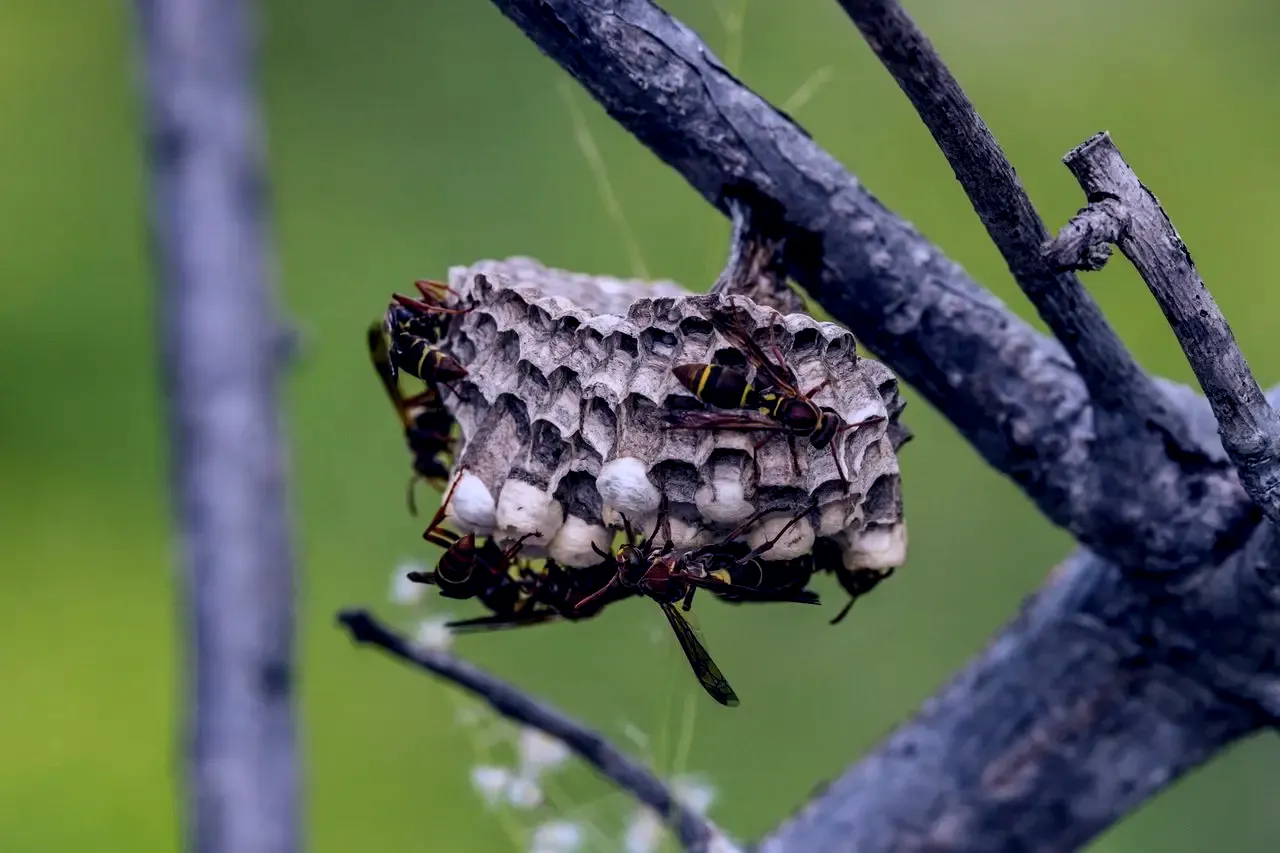
In Texas, the Department of Agriculture's Structural Pest Control Service licenses pest control businesses, certified applicators and technicians and posts current-license lists worth checking before any work. No Pasadena permit for wasp nest removal was found, and the city's Animal Control covers animals, not insects. Texas A&M AgriLife says established yellowjacket and hornet colonies should be handled by professionals and that a wall-void entrance should stay unsealed until the colony is eliminated. Renters bring a nest to the manager's attention, and the manager arranges entry to balconies, eaves and common areas. No legal conclusion about landlords, tenants or associations is drawn here. Honey bees are outside this line and go to a beekeeper on the Texas Apiary Inspection Service list for Harris County.
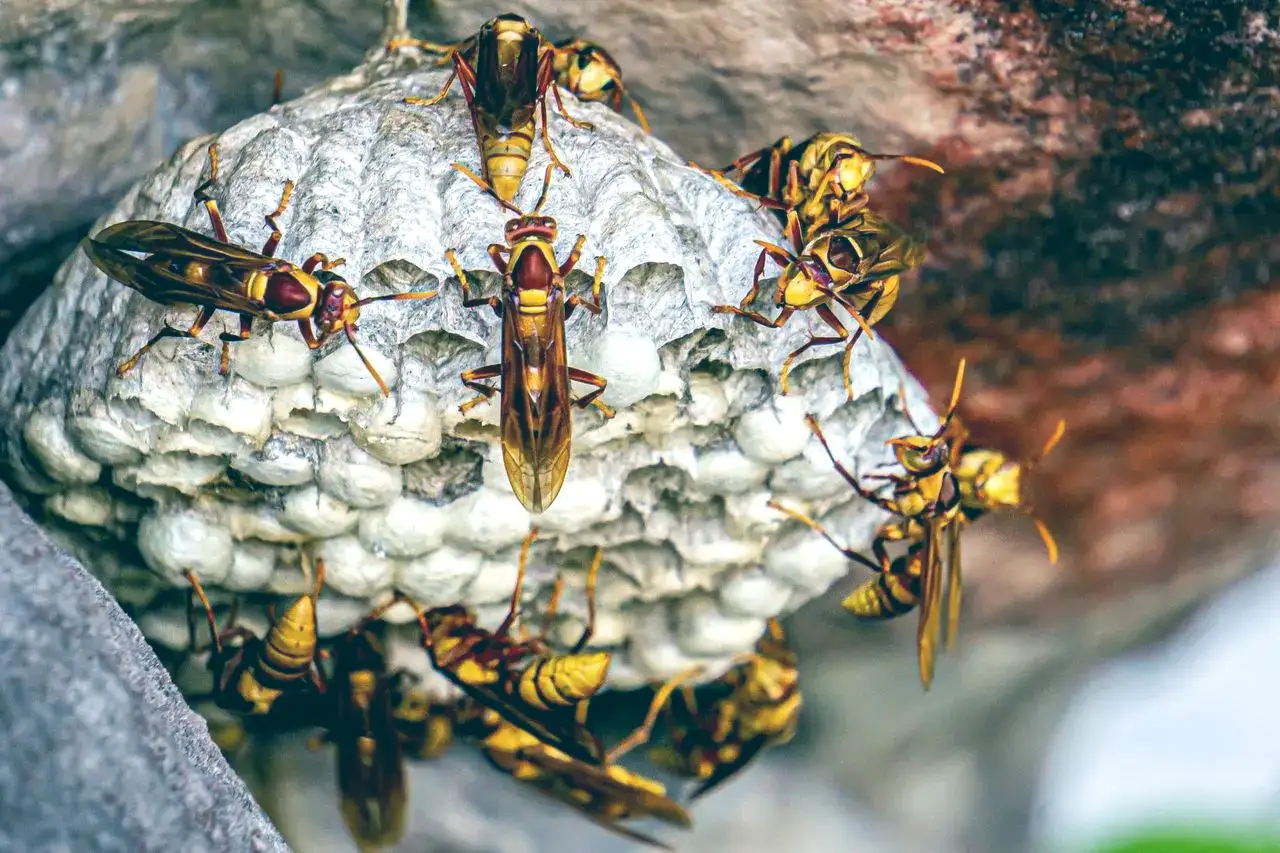
Two residents on the same side of a small rental building tell the owner about wasps within a week. A provider typically walks that whole side, treats the nests that are active and schedules a return check. The landlord asks for notes per unit and files each resident's report. How well it goes depends on getting onto every balcony.
Yellowjackets are using a hole where this homeowner's yard meets a shared fence beside a common area. Who handles work on shared ground differs from one community to another, so the homeowner finds out whether a manager or association is in charge and keeps dated notes and photos. The provider decides if the far side of the fence needs a look.
A renter in a large complex keeps hearing from neighbors about fresh nests on the building and does not know who to tell. The answer is a written report to the manager. A wider walk-around may turn up nests no one mentioned, and the provider can treat that side together and check back. The renter can ask how return checks are booked and what notes follow.
As a legal matter, this site cannot answer that, and it says nothing about who covers any cost. What usually happens: a tenant reports the nest to the property manager, who then arranges entry to common areas, balconies and eaves. The lease and the facts of each case matter, so report in writing and keep a copy. In an HOA community, ask the board or its management company about shared space.
Most providers check the reported spot along with nearby overhangs, balconies and breezeways, then treat every active nest. A yellowjacket colony in a wall is treated through its entrance, and AgriLife advises against sealing that entrance before the colony has been eliminated. Dead nests within reach come down, and a return check is typical.
Sometimes. Most providers first look at the balconies beside, above and below, because paper wasps often put several nests on one face of a building. If that nest turns out to be the only one, treating one balcony may do. If neighboring overhangs have nests too, the provider will likely suggest including them.
That depends on the kind of nest and the number of buildings. Paper wasp comb under a low overhang can take very little time; a colony in a wall may need treatment now and a later trip to close the gap. Ask how long a larger property may take, how long residents should keep away and when return checks fall.
Question not covered here? Phone the referral line and a local provider can walk you through your options.
Ask the provider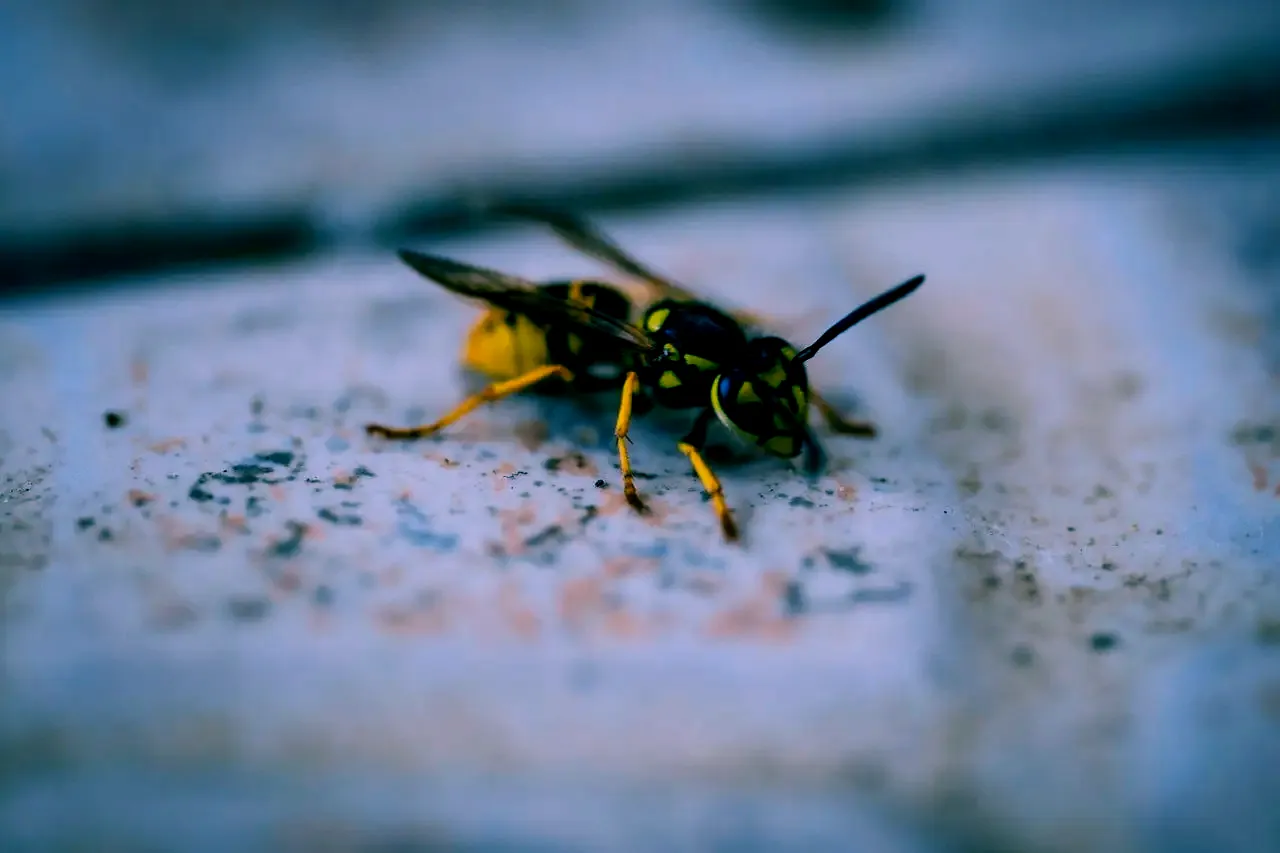
Every wasp job starts by naming the insect. The provider usually confirms paper wasp, yellowjacket or baldfaced hornet and locates each nest on the building. Honey bees are sent to a beekeeper listed by the Texas Apiary Inspection Service.
View service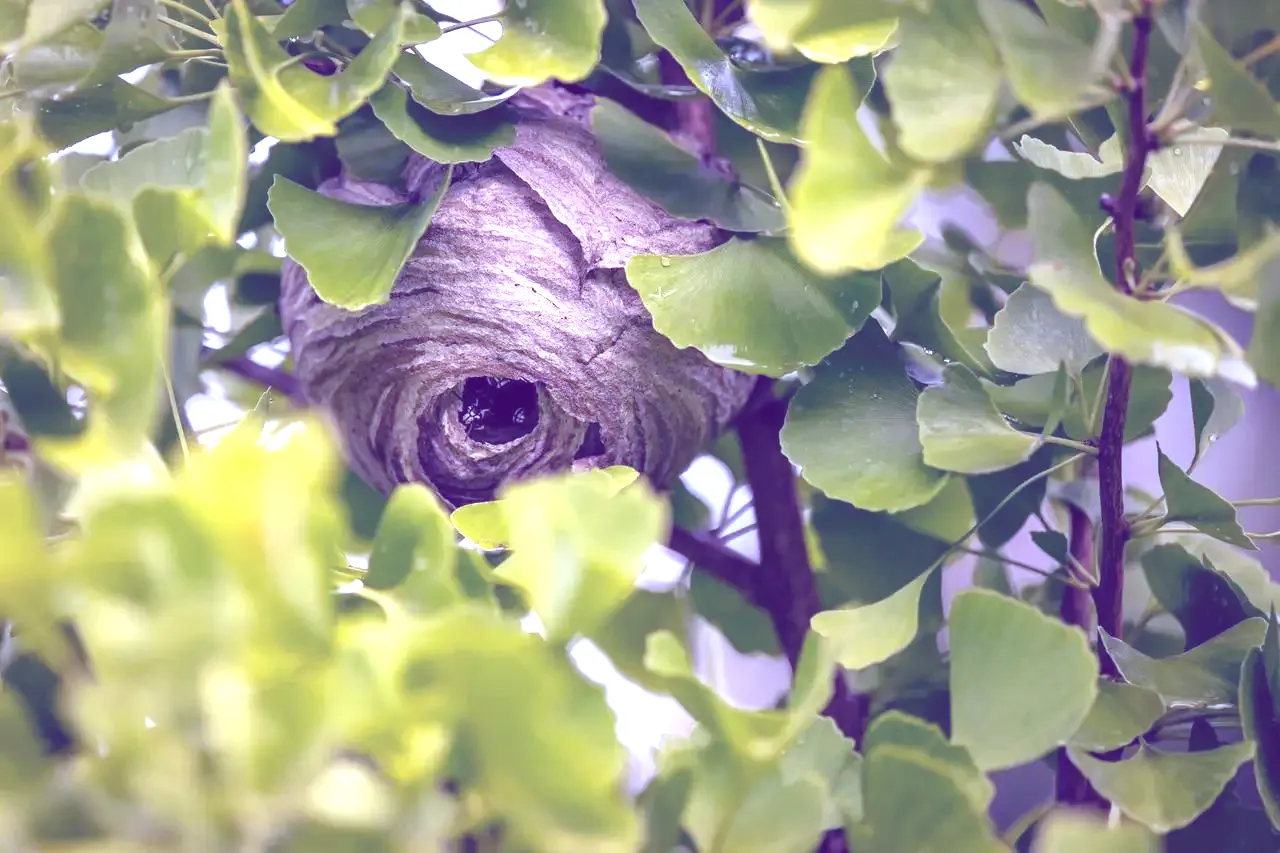
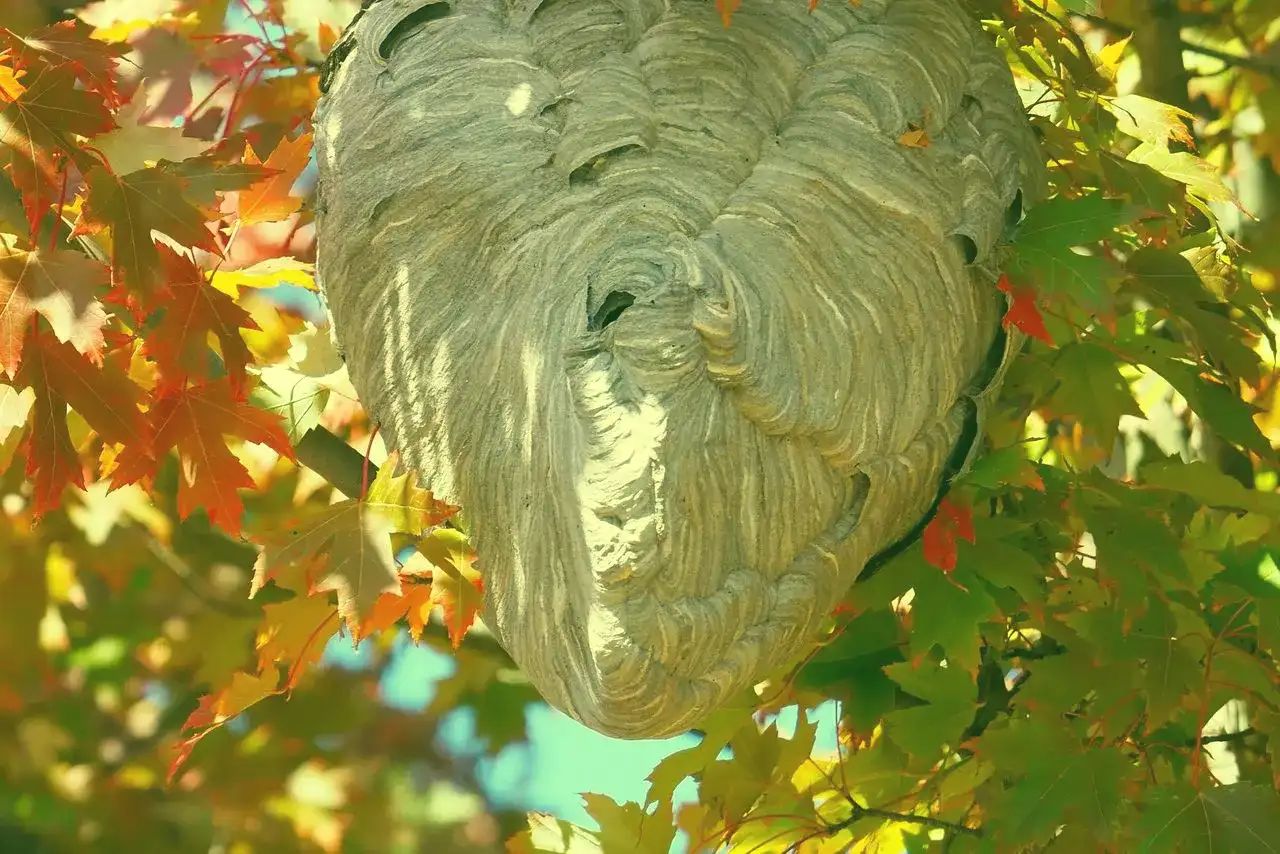
Texas has one 'hornet', the baldfaced hornet, and it is really a yellowjacket. Those big covered paper nests hang from branches and eaves, and AgriLife says established colonies should be handled by professionals.
View service
Yellowjackets nest mainly underground, sometimes in walls or under eaves, and their colonies peak by August or September. A wall entrance is left open until the colony is eliminated and closed afterward. Providers apply product at the opening.
View servicePlenty of providers come back after treatment to make sure the traffic has ended. Since paper wasp queens tend to rebuild in the same general area each spring, a look at eaves, garages and sheds tells you whether a nest is gone or starting again.
View serviceCalling the number above routes you through a call-tracking service to an independent provider serving Pasadena, and the call may be recorded. Calls are connected 6 a.m. to midnight Central Time (7 a.m. to 1 a.m. during daylight saving time). You and the provider settle the timing and the cost between you.